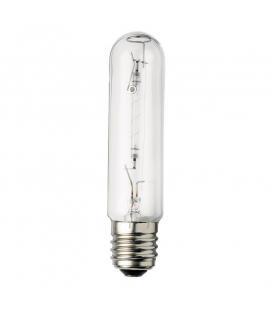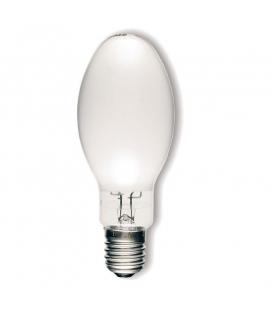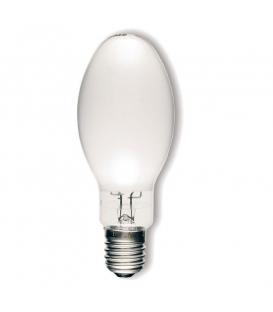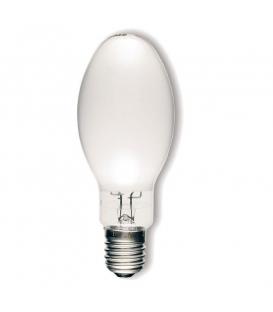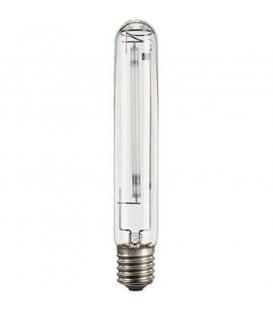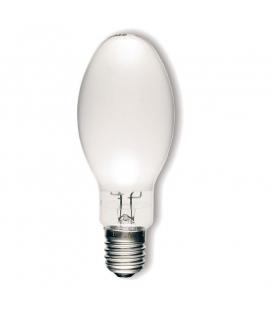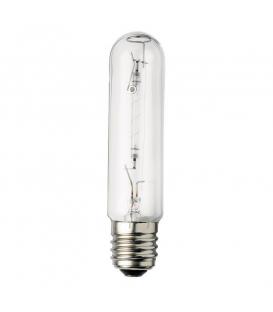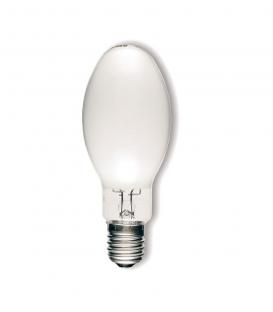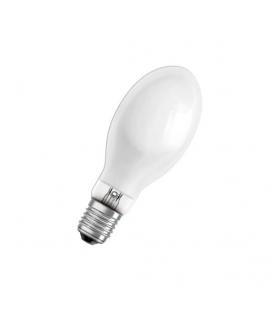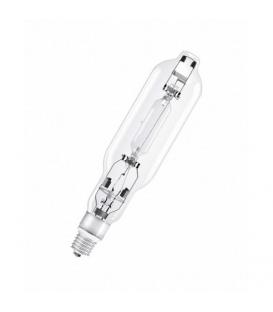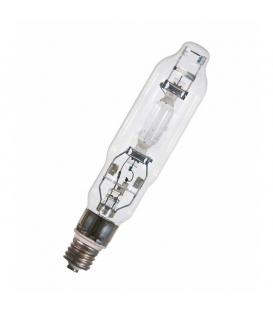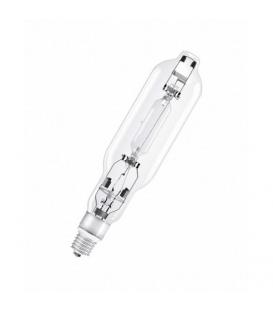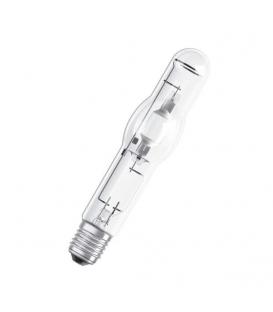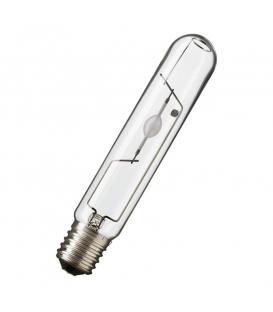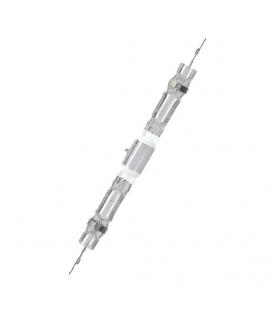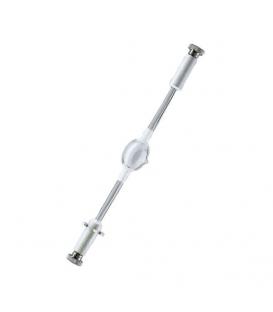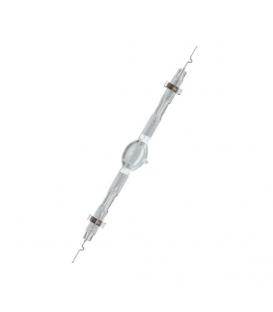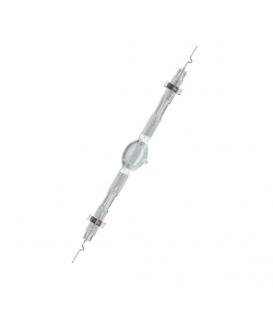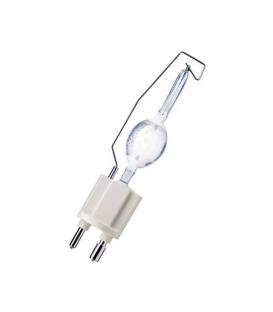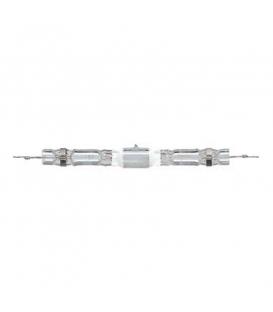
Metal halide lamps high intensity discharge lighting
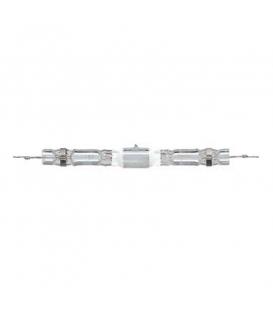
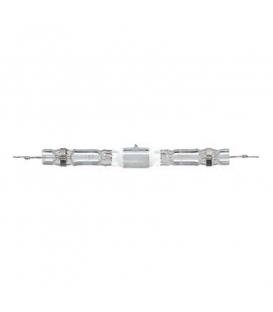
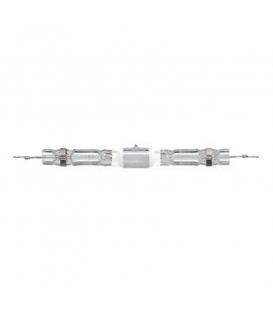
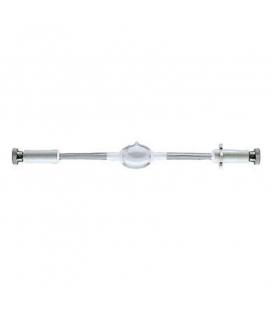
Metal Halide lamps, also known as metal halide discharge lamps, are a type of high-intensity discharge (HID) lighting technology. These lamps generate light through an electric arc passing through a mixture of gases and metal halides, which are compounds composed of a metal and a halogen element (such as iodine, bromine, or chlorine).
The metal halides play a crucial role in producing a broad spectrum of light that closely resembles natural sunlight.
Explanation of Operation: Metal Halide lamps operate by creating an electric arc between two electrodes within a sealed quartz or ceramic arc tube. This arc generates an intense amount of heat, which vaporizes the metal halide compounds and causes them to emit light. The emitted light includes a blend of visible wavelengths and ultraviolet (UV) radiation.
The UV radiation interacts with a phosphor coating on the inside of the arc tube, converting some of the UV light into visible light. This process enhances the lamp's color rendering capabilities and improves the overall quality of the emitted light.
Benefits:
- High Color Rendering Index (CRI): Metal Halide lamps have a relatively high CRI, which means they can accurately represent the true colors of objects and surfaces. This makes them suitable for applications where color accuracy is essential, such as in retail displays and art galleries.
- Efficiency and Brightness: Metal Halide lamps provide a high level of brightness, making them suitable for lighting large indoor and outdoor spaces, such as stadiums, parking lots, and industrial facilities.
- Broad Spectrum: The broad spectrum of light produced by metal halide lamps is well-suited for horticultural and indoor plant growth applications, as it closely mimics natural sunlight and supports healthy plant development.
- Longevity: Metal Halide lamps have a relatively long operational life compared to some other types of HID lamps.
Applications:
- Outdoor Lighting: Metal Halide lamps are commonly used for illuminating large outdoor spaces like parking lots, sports arenas, and highways due to their high brightness and efficiency.
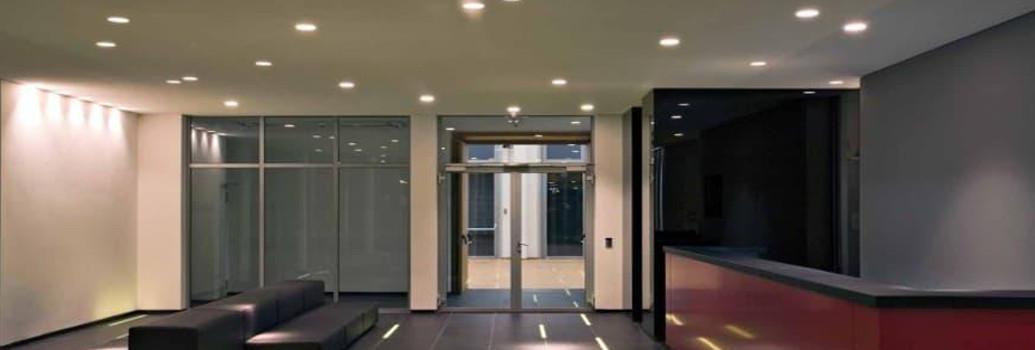
- Indoor Commercial Lighting: They find applications in commercial settings such as retail stores, supermarkets, and exhibition halls where good color rendering is important for showcasing products.
- Horticulture and Greenhouse Lighting: Metal Halide lamps are popular in horticultural lighting setups for promoting plant growth during different growth stages, especially in indoor or controlled environments.
- Aquarium Lighting: Their ability to produce a broad spectrum of light makes them suitable for providing the necessary light spectrum for aquatic ecosystems in aquariums and marine exhibits.
- Photography and Film Production: Metal Halide lamps have been used in photography studios and film sets, where accurate color reproduction is essential.
- Street Lighting: While becoming less common due to newer technologies, metal halide lamps have historically been used for street and roadway lighting.
- Industrial Lighting: In industrial settings like factories and warehouses, metal halide lamps are used to provide ample illumination for various tasks.
Limitations:
- Warm-Up Time: Metal Halide lamps require a warm-up time to reach their full brightness, which can be a disadvantage in applications where instant illumination is needed.
- Heat Generation: These lamps generate a significant amount of heat, which may require additional cooling mechanisms, especially in enclosed spaces.
- Energy Consumption: Metal Halide lamps are not as energy-efficient as some newer lighting technologies, such as LEDs.
In recent years, Metal Halide lamps have faced competition from more energy-efficient lighting technologies like Light Emitting Diodes (LEDs), which offer similar or better benefits with lower energy consumption and longer lifespans. However, Metal Halide lamps continue to find use in specific applications where their unique characteristics are advantageous.
Subcategories of "Metal Halide"
-
![GX10 reflector]()
GX10 reflector
Illuminate with Precision: GX10 Metal Halide Reflector Lamps Welcome to the world of lighting…
-
![R111 reflector]()
R111 reflector
Illuminate Your World with R111 Metal Halide Reflector Lamps Introducing our R111 Metal Halide…
-
![G12]()
G12
A G12 metal halide lamp is a specific type of metal halide lamp that features a G12 base type. This…
-
![RX7s]()
RX7s
RX7s metal halide lamps are a specific type of metal halide lamp that features an RX7s base type.…
-
![PAR]()
PAR
PAR metal halide lamps are a type of metal halide lamp that is designed in a PAR (Parabolic…
-
![G8.5]()
G8.5
G8.5 metal halide lamps are a specific type of metal halide lamp that features a G8.5 base type.…
-
![K12s]()
K12s
K12s Base: The "K12s" designation likely refers to a specific type of base used for certain lamps,…




Browse our "Metal Halide" collection
Metal Halide Lamps: High-Intensity Discharge Lighting
-
26,10 €
 Illuminate your space with the 100W CL-E E40 Clear Super Tubular Lamp, a standout in our Metal Halide lamps...
 -
24,78 €
Illuminate your space with the 100W CO-E E40 Coated Super Elliptical Lamp, a standout in our Metal Halide lamps...
-
14,66 €
Illuminate your space with the 150W CO-E E40 Coated Basic Elliptical Lamp, a standout in our Metal Halide lamps...
-
14,69 €
Illuminate your space with the 250W CL-E E40 Clear Basic Tubular Lamp, a standout in our Metal Halide lamps...
-
33,96 €
Illuminate your space with the 250W CO-E E40 Coated Super Elliptical Lamp, a standout in our Metal Halide lamps...
-
39,21 €
Illuminate your space with the 400W CO-E E40 Coated Super Elliptical Lamp, a standout in our Metal Halide lamps...
-
42,02 €
Illuminate your space with the 400W E40 230V Clear External Ignitor Lamp, a standout in our Metal Halide lamps...
-
20,62 €
Illuminate your space with the 50W CO-E E27 Coated Super Elliptical Lamp, a standout in our Metal Halide lamps...
-
19,84 €
Illuminate your space with the 70W CL-E E27 Clear Basic Tubular Lamp, a standout in our Metal Halide lamps...
-
24,18 €
Illuminate your space with the 70W CO-E E27 Coated Basic Elliptical Lamp, a standout in our Metal Halide lamps...
-
21,24 €
Illuminate your space with the 70W CO-E E27 Coated Super Elliptical Lamp, a standout in our Metal Halide lamps...
-
255,47 €
Experience superior illumination with the Lamp HPI-T 1000W 543 E40, a standout in our Metal Halide lamps collection....
-
192,32 €
Illuminate your space with the Lamp HPI-T 2000W 642 380V E40, a standout in our Metal Halide lamps collection....
-
34,27 €
Illuminate your space with the Lamp HQI-E 250W d Pro E40 Coated, a standout in our Metal Halide lamps collection....
-
235,26 €
Illuminate your space with the Lamp HQI-T 1000W d E40, a standout in our Metal Halide lamps collection. Experience...
-
229,24 €
Illuminate your space with the Lamp HQI-T 2000W d E40, a standout in our Metal Halide lamps collection. Experience...
-
233,84 €
Illuminate your space with the Lamp HQI-T 2000W N E SUPER 4400K, a standout in our Metal Halide lamps collection....
-
282,98 €
Illuminate your space with the Lamp HQI-T 2000W n e super E40, a standout in our Metal Halide lamps collection....
-
218,17 €
Illuminate your space with the Lamp HQI-T 2000W n i E40, a standout in our Metal Halide lamps collection. Experience...
-
304,46 €
Illuminate your space with the Lamp HQI-T 2000W n SN super E40, a standout in our Metal Halide lamps collection....
-
42,85 €
Illuminate your space with the Lamp HQI-T 250W d Pro E40, a standout in our Metal Halide lamps collection. Experience...
-
32,14 €
Illuminate your space with the Lamp HQI-T 400W d pro E40, a top-tier choice in our Metal Halide lamps category....
-
53,89 €
Illuminate your space with the Lamp Master Citywhite CDO TT Plus 100W 828 E40, a standout in our Metal Halide lamps...
-
48,23 €
Illuminate your space with the Lamp Master Citywhite CDO TT Plus 150W 828 E40, a standout in our Metal Halide lamps...
-
94,15 €
Illuminate your space with the Lamp Master Citywhite CDO TT Plus 250W 830 E40, a standout in our Metal Halide lamps...
-
51,03 €
Illuminate your space with the Lamp Master Citywhite CDO TT Plus 50W 828 E27, a standout in our Metal Halide lamps...
-
58,37 €
Illuminate your space with the Lamp Master Citywhite CDO TT Plus 70W 828 E27, a standout in our Metal Halide lamps...
-
48,23 €
Illuminate your space with the Lamp Master Citywhite CDO-ET Plus 100W 828 E40, a standout in our Metal Halide lamps...
-
48,23 €
Illuminate your space with the Lamp Master Citywhite CDO-ET Plus 150W 828 E40, a standout in our Metal Halide lamps...
-
61,33 €
Illuminate your space with the Lamp Master Citywhite CDO-ET Plus 50W 828 E27, a standout in our Metal Halide lamps...
-
48,23 €
Illuminate your space with the Lamp Master Citywhite CDO-ET Plus 70W 828 E27, a standout in our Metal Halide lamps...
-
439,10 €
Illuminate your space with the Lamp Master HPI-T 2000W 646 E40, a top-tier Metal Halide lamp offering superior...
-
36,76 €
Illuminate your space with the Lamp Master HPI-T Plus 250W 645 E40, a standout in our Metal Halide lamps collection....
-
538,75 €
Illuminate your space with the Lamp Master MHN LA 1000W 842 XWH X528, a standout in our Metal Halide lamps...
-
444,05 €
Illuminate your space with the Lamp Master MHN LA 1000W 956 XWH X528, a standout in our Metal Halide lamps...
-
473,11 €
Illuminate your space with the Lamp Master MHN LA 2000W 956 400V XWH X528, a standout in our Metal Halide lamps...
-
501,05 €
Illuminate your space with the Lamp Master MHN SA 1800W 956 (P)SFC 20 6, a top-tier metal halide lamp offering...
-
501,05 €
Illuminate your space with the Lamp Master MHN SA 1800W 956 400V (P)SFC 20-6, a top-tier metal halide lamp offering...
-
496,56 €
Illuminate your space with the Lamp Master MHN SA 1800W 956 XW X830R, a standout in our Metal Halide lamps...
-
496,56 €
Illuminate your space with the Lamp Master MHN SA 2000W 956 400V XW X830R, a standout in our Metal Halide lamps...
-
840,16 €
Illuminate your space with the Lamp Master MHN SE 2000W 956 400V HO GX22, a top-tier choice in Metal Halide lamps...
-
368,11 €
Illuminate your space with the Lamp Master MHN-LA 1000W 842 230V XWH UNP, a top-tier choice in Metal Halide lamps....
-
385,66 €
Illuminate your space with the Lamp Master MHN-LA 1000W 956 230V XWH UNP, a top-tier choice in Metal Halide lamps...
-
368,11 €
Illuminate your space with the Lamp Master MHN-LA 2000W 842 400V XWH UNP, a top-tier choice in Metal Halide lamps...
-
642,81 €
Illuminate your space with the Lamp Master MHN-LA 2000W 956 400V XWH UNP, a top-tier metal halide lamp offering...
-
482,04 €
Illuminate your space with the Lamp Master MHN-SA 1800W 956 (P)SFC 230V UNP, a top-tier choice in Metal Halide lamps...
-
482,04 €
Illuminate your space with the Lamp Master MHN-SA 1800W 956 (P)SFC 400V UNP, a top-tier metal halide lamp offering...
-
482,04 €
Illuminate your space with the Lamp Master MHN-SA 1800W 956 230V XW UNP, a top-tier choice in Metal Halide lamps...